
Well that’s January out of the way and still no sign of really cold weather – I just know that we will get a return visit from the ‘Beast from the East’ which will catch us all out.
There’s not a lot we can do about that though except complain about it, and there is no time for complaining when there is plenty to be getting on with in the garden or down at the allotment.
If you had thought about growing your own soft fruit, for example raspberries, now is really the time you need to get them in the ground. There are two main types, summer and autumn fruiting.
I have to say I prefer the autumn varieties. As the name suggests they fruit later in the year and keep fruiting well into late autumn. The first heavy frost is the end of them really. I would recommend Polka or Joan J.




You can buy them from most garden centres or head down to Southern Fruit Trees; I bought some very healthy canes from them the other week.
Plant them three to four inches deep into well drained soil and gently firm them in about 12 to 18 inches apart and give them a good water, then cut them down to about six to eight inches which will encourage shoots from the bottom of the plant to grow, giving you a healthy crop later this year.
If you already have raspberries, cut down the autumn varieties back to six to eight inches off the ground now and cut out the dead summer variety canes.
Also trim back blackcurrant bushes now. If you cut back 20 to 25 per cent of the growth to a spur or growth point this will encourage healthy new growth this year and hopefully a bountiful crop.
It is time to winter prune apple and pear trees. This improves their shape and health. Summer pruning encourages better blossom and fruit production.
I had a masterclass in winter pruning with Matt Marriot from Sequoia Tree Services and was amazed how much we cut out of a mature apple tree.
While clearing brambles at the allotment we came upon a lovely clump of snowdrops. These are some of the first flowers of the year and a real treat.
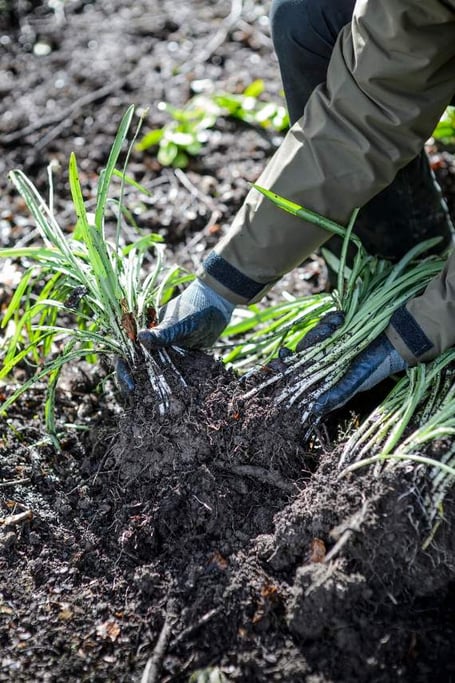
They are fairly simple to propagate. If you wait for them to finish flowering you can dig up a clump and separate the bulbs and replant them. It is best to dig up and plant on the same day.
Make sure they are planted deep in damp but not waterlogged soil and keep them well-watered for a few weeks to ensure strong root development.
The foliage will die back and next January they will start flowering. You should have started to spread your snowdrops around the garden.
I have started the dahlia propagation. Tubers lifted in the autumn have been sorted and trimmed of rotten bits, or dried out tubers and fibrous roots, put in trays with compost with the crown uncovered, and put on a heated bench to encourage the shoots to grow.
This is the first time I have used a heated bench so I’ll keep you posted.