
IN THE month of Remembrance, most people, quite rightly, concentrate on the sacrifices made by men and women in the two world wars but Hampshire has been at the centre of conflicts for centuries.
In Hampshire’s Military Heritage, author Dean Hollands starts at the beginning of the first invasion of the county from across the Channel by Celts in around 480 BC, who brought new weapons, tools and the use of bronze.
Four hundred years later, the second major invasion, by the Belgae, from the iron-producing regions of Belgium and northern France, introduced iron metallurgy but their refined new weapons were no match for the next invaders, the Romans.
Over the next 350 years, the Romans developed existing military sites, introduced new ones and fortified the coastline and towns. Most of their defences have disappeared but Portus Adurni, or Portchester Castle, at the head of Portsmouth Harbour is still one of the best preserved Roman military bases.
 Dreaming of a green Christmas as Petersfield group offers discounted fruit trees
 Rise in hospital admissions for stress and anxiety in Hampshire, Southampton and the Isle of Wight
 Keeping Hampshire and Surrey's roads moving over Christmas
 Calls for council tax referendum as fire service faces funding gap
After King Alfred’s defeat of the Danes then William the Conqueror’s victory in the Battle of Hastings, Hampshire was subjected to no further invasions but it – and the country’s – peace were regularly threatened by attacks from across the English Channel, especially by French raiders.
The ports of Portsmouth and Southampton were the points of departure for soldiers and sailors going out to challenge the forces of other nations as well as building the ships to carry them.
A chapter of Hampshire’s Military Heritage is devoted to the histories of those cities up to modern times and, rather than just giving a chronology of events, Mr Hollands picks out themes.
A chapter on the Hampshire Regiment, which was founded in 1702 after Queen Anne asked Thomas Meredith to raise a regiment of infantry at the start of the War of Spanish Succession, pays tribute to the 175 years of ‘The Tigers’.
Winchester has six military museums inside the former Peninsula Barracks where thousands of reservists and volunteers passed through its gates for training before frontline duty during the First World War and again in 1939 when so many recruits volunteered for the King’s Royal Rifle Corps, an overflow training depot was set up at Bushfield Camp.
More than in any other war, the Second World War involved civilians throughout the county contributing to the national effort, as well as those men and women enlisted.
From the Royal Aircraft Establishment at Farnborough to D-Day preparations, planned at Southwick House, Canadian camps around Liphook, Royal Navy establishments in the Portsmouth area, every branch of the Services had links to Hampshire.
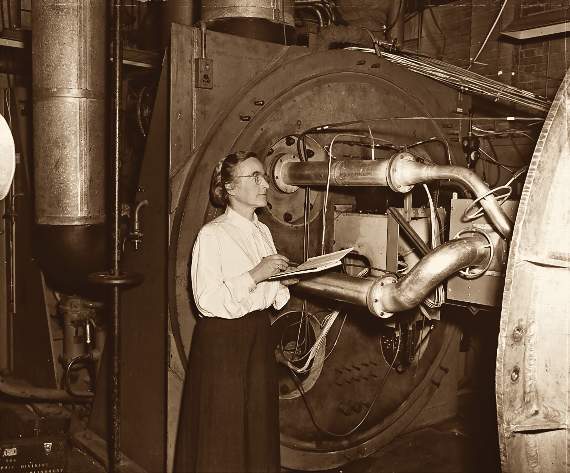
Mr Hollands brings the story up to date with pictures of bunkers built during the Cold War when there were fears of nuclear attack.
Hampshire’s Military Heritage, published by Amberley, has 120 illustrations of places, people and events.