
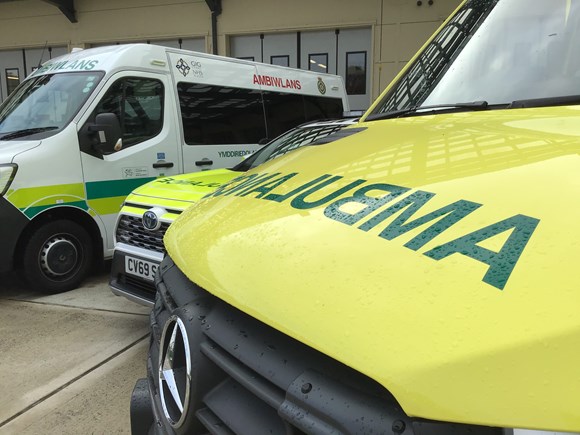
In January 1990, the town was affected by the suspension of routine ambulance services as crews took action over pay.
Emergency calls continued to be answered, but non-urgent journeys were halted, bringing the dispute close to home for many residents.
At the time, ambulance workers were pushing back against the idea that they were simply transport staff. Remarks by the then Health Secretary, Kenneth Clarke, who referred to crews as “professional drivers”, heightened the dispute.



Locally, it reinforced the view that their work was being undervalued.
Rather than turning against the crews, Farnham residents largely stood behind them.
Surveys carried out by Herald reporters in The Borough, East Street and Lion & Lamb Yard found strong public backing. Two-thirds of those questioned said ambulance staff deserved pay more closely aligned with other emergency service workers.
Much of that support reflected the life-saving nature of the job.
One student said crews “should be paid more because they are part of the caring professions”, while a Stoke Hills resident highlighted what he saw as a familiar contrast: “They were praising them at the time of the Clapham Junction disaster. Now they want some money, it’s different.”
Crucially, the action stopped short of a full strike. Emergency cover remained in place, a decision The Herald reported at the time was key to maintaining public goodwill.
By February 1990, the dispute had been resolved. Ambulance staff secured a pay rise of 16.9 percent over two years plus other improvements — a result widely viewed as a rare union victory in the Margaret Thatcher era.
After the improved pay was secured, routine ambulance services were finally resumed in Farnham.
Comments
We've recently changed our login process. If you have an account for commenting, you will need to re-register on the login window.
This article has no comments yet. Be the first to leave a comment.