
Enchanting evening walks and activities under cover of night are on offer as visitors see museums in a different light.
Gilbert White’s House at Selborne, and the Weald and Downland Open Air Museum near Chichester, are just two of the venues nationwide taking part in the Museums at Night Festival this week (May 11-14.
The festival is run twice a year by Culture24, inviting all UK museums, galleries and heritage sites to open their doors after hours to display their hidden treasures.
The organisers describe the festival as a social experience, with events allowing visitors to explore the museums’ sites at night and discover magic after dark.



The Gilbert White and The Oates Collections is working in association with the Hampshire and Isle of Wight Wildlife Trust to run a newt survey event on Friday, May 13, at 8.30pm.
Participants will help lay traps to carry out the survey in the wildlife pond, take part in classroom sessions to understand why they carried out the survey and later return to see whether any newts have made their way into the traps. Tickets are £7.
On May 13 too, the Field Studies Centre at Gilbert White’s is opening for a natural history themed sleepover as part of the festival. The event involves a woodland exploration, a campfire supper and sleepover in the 16th century barn. Tickets cost £15 per child, and one accompanying adults goes free. This starts at 6pm.
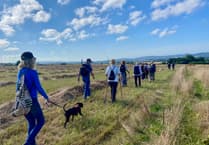
Over at the Weald and Downland, on May 13, visitors will be able to engage in a whole host of great activities. They can visit a charcoal camp where woodsman must stay awake to monitor the fire, listen to stories of poaching and smuggling in Sussex, learn about how travellers would have taken bed and board at the victualing house, hear readings from the Georgian era and smell ale that has brewed during the day.
Richard Pailthorpe, Museum Director said “The museum is a magical place to visit at dusk and during darkness, so our Museum at Night walks give visitors a truly unique experience. Today we are so accustomed to our own homes being well lit that it is difficult to imagine how our ancestors lived with only a candle or rush light for seeing in the dark”.
Visit www.museumsatnight.org.uk Also visit www.gilbertwhiteshouse.org.uk and www.wealddown.org.uk
By Alice Simmons