
BBC’s Countryfile cameras have been out and about in Meon Springs, East Meon, to film a piece on sheep attacks which will be screened this Sunday, February 28.
Presenter Tom Heap of the popular rural affairs programme visited Petersfield sheepdog trainer Terena Plowright who recently launched SheepWatch UK.
He spoke to Terena about the rise in pet dog mauling of sheep, which led her to set up a national drive to prevent these often savage attacks which are costly dearly, both financially and emotionally.
Many such attacks have taken place on farms across East Hampshire, including East Meon, with dogs not put on leads when crossing fields where livestock are grazing.
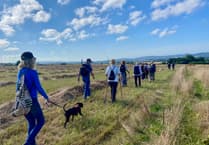



Terena is delighted this problem for rural communities is being highlighted.
BBC One’s Countryfile is hugely popular weekend viewing and is a high profile boost for SheepWatch UK.
Terena said the filming was a lovely experience.
Tom Heap presents the most journalistic segment of the show, uncovering rural and environmental news and issues.
“Tom is genuinely interested in the subject and understood the problems, especially the fact we understand that most dog walkers are fabulously careful.
“As usual, it’s the minority that don’t keep their dogs on leads near sheep.”
Also featured on the show is Terena’s dog training for good behaviour, and a piece about her working sheepdogs.
Her sheepdog Sweep often took centre stage as the cameras rolled, loving the limelight.
Another dog was filmed too. He was Wilfie, who belongs to John Blair from Petersfield.
“They spoke to John about how his dog chased sheep and how easily it can suddenly happen,” she said.
“Wilfie dutifully hung his head low.”
John spoke at the launch last month at Queen Elizabeth Country Park of SheepWatch UK, with representatives from the farming community, police and parish councillors.
Terena started the campaign with Doug Jones, of Buriton Parish Council, after the two witnessed on local farms how devastating dog attacks on sheep can be. If the animals are stressed, they are likely to abort their lambs.
“We are putting numbers up on the website so we can gather statistics and have something to prove how big the problem is,” added Terena.
Visit www.terena.co.uk