

Less than a year ago, I used this column to raise my concerns about the future of the Primary PE and Sport Premium.
At the time, I had been questioning ministers about their plans for school sport. While they confirmed funding for the academic year that has just ended, they would not make the same commitment for the years beyond.
It turns out those concerns were well founded.
The Government has now announced that it is phasing out the Premium. Although the replacement has been presented as part of a "£1 billion package", the reality is that less money will be available overall, and that funding will now have to stretch to cover secondary schools as well as primary schools.
That matters because participation in sport underpins so much that we want to promote for young people. It builds character and resilience, improves mental and physical health and helps tackle childhood obesity.
For completeness I should add that staying active obviously has huge benefits into older age, too. Dementia-Friendly Petersfield’s walking football group (which I had the pleasure of watching recently) is a fantastic programme, not just for the activity but the camaraderie. Likewise, at Bowls' Big Weekend it was a pleasure to meet the enthusiastic members of Alton Social Bowling Club - a reminder that bowls is a sport for young and old alike.
But this column is about children and schools in particular.
Across East Hampshire I have seen children introduced to an impressive range of sports and physical activities in primary school. Finding a sport or physical activity that you like at an early stage, and will carry on with through secondary school and beyond, is really valuable.
Much of this progress has been made possible through the excellent programmes delivered by governing bodies such as the LTA and the FA, and funding provided directly to schools through the Premium.
That final point is crucial.


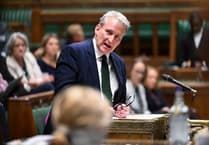

Schools themselves have been able to decide how best to use the funding to meet the needs of their pupils. Under the Government's new approach, schools will no longer receive the funding directly. Instead they are to receive “provision in kind”, from the now-smaller national pot. Exactly how this works in practice remains to be seen. But there is always the risk that areas like ours will not do as well out of a centralised system as others.
Elsewhere in recent government announcements (though not very loud ones), there is the axing of the National Citizen Service, the closure of the Youth Investment Fund and the end of the Opening School Facilities Fund that was there to help schools open up their sports facilities for community use out of hours.
Sport England is also set to lose its role as a statutory consultee on planning applications, while the Department of Health is reducing its contribution to health-related activity in schools.
Every government faces difficult spending decisions. The new Prime Minister is already confronting some challenging choices. But difficult decisions should still be guided by long-term thinking.
Reducing investment in school sport may save money today, but it risks storing up greater costs tomorrow - in poorer health, lower activity levels and missed opportunities for young people.
Comments
This article has no comments yet. Be the first to leave a comment.