
A candidate has accused Prime Minister Andy Burnham of favouring the north over the south as pressure mounts to bring forward the region’s first mayoral election.
Politicians have warned the region risked losing out if the poll remained in 2028.
Mr Burnham has announced elected mayors in England will receive a share of income tax revenue from 2028, while strategic authorities will be able to keep a portion of business rates collected in their areas from next spring.
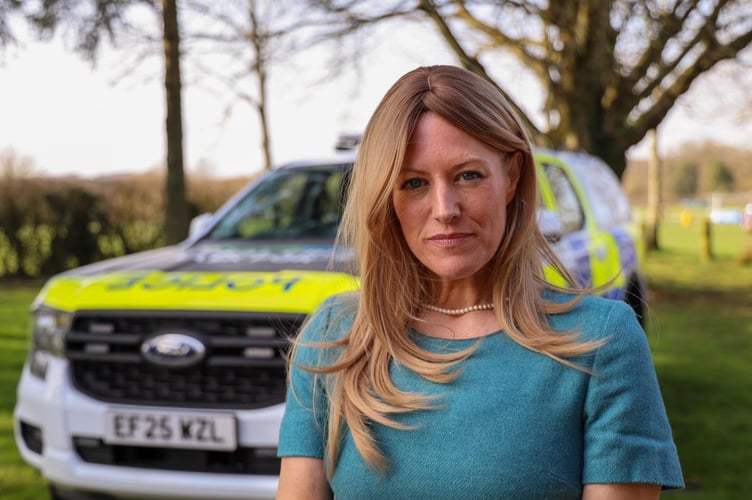
Conservative mayoral candidate and current police and crime commissioner Donna Jones said Sir Keir Starmer’s failures and Mr Burnham’s “apparent indifference” to the south of England continued to hold Hampshire back.
Ms Jones accused Mr Burnham of an “economically reckless north‑first approach” and said Labour’s refusal to bring forward mayoral elections meant promises of greater powers for mayors “ring hollow”.
The former Portsmouth City Council leader said: “If he genuinely believed in levelling up every region of Britain, he would bring forward mayoral elections to next year, rather than leaving the south waiting while the north takes priority.”
Labour candidate Lorna Fielker said it was an important moment for devolution and showed the Prime Minister was delivering on his commitment to take power out of Whitehall and into local communities.
Ms Fielker, former Southampton City Council leader, said: “Decisions about investing in transport, skills, housing and economic growth are always better made closer to the communities they affect.
“Keeping more of the wealth we generate locally will mean we can invest in the priorities that matter most to local people, build a stronger regional economy and ensure the benefits of growth are felt across every part of our region.”

George Madgwick, leader of the Reform UK group in Hampshire, said Labour’s answer to every problem was to take more money from taxpayers and promise to spend it better this time.
Mr Madgwick said: “If more money is staying in Hampshire, that must come with stronger accountability and a relentless focus on delivering better outcomes for local people.
“Success should be measured by safer streets, better roads, improved public services and stronger economic growth, not by the size of government or the amount of tax collected.”
Liberal Democrat candidate Martin Tod said the additional powers would help make the region a stronger powerhouse for the national economy.
The Winchester City Council leader said: “A big disappointment is that he hasn’t said anything about the timing of our mayoral election which seems still to be delayed until 2028.
“Hampshire and the Isle of Wight are losing out in terms of the money we get and what we can do because of that delay.”
Green Party candidate Anna Collar said the region’s higher than average earnings and substantial business rate collections made the additional powers great for financial certainty and borrowing power.
She said she was nervous over the possibility of “two-tier” devolution with less affluent areas receiving less money to spend on their priorities.
Ms Collar said: “It will be really important for the leadership to consider more localised pockets of deprivation and affluence and working to ensure parity of spending and needs across these.”
The elected mayor will have devolved powers and responsibility for areas such as transport, housing and strategic planning and skills.
HSCCA board chairman councillor Nick Adams-King, Conservative, said: “Giving mayoral authorities a direct share of the revenues generated by their own economies will strengthen local accountability and provide a more sustainable financial foundation for long-term investment.
“It will allow decisions about transport, skills, housing and economic growth to be shaped by local knowledge, local priorities and a clear democratic mandate.”
He added: “If these substantial new responsibilities and funding streams are beginning to come into effect from next year, our area should have a directly elected mayor with a fresh democratic mandate at the earliest opportunity.”
Mr Adams-King said he made the case to bring forward the election directly to ministers Louise Haigh and Angela Rayner during a call on Friday.
The exact share of tax revenue mayors will receive has not been decided by the government, with more details due to be announced when Chancellor John Healey delivers his first budget on October 28.
Comments
This article has no comments yet. Be the first to leave a comment.