
There is a free screening of the film that the Government did not want you to see on August 20 in Aldershot, with further screenings in Fleet and Haslemere.
The People's Emergency Briefing is a 50-minute film summarising the views of the UK security services, economists and climate scientists on the subject of climate change.
It is educational and includes a number of speakers and a wide range of evidence. MPs themselves received an invitation to attend the national emergency briefing back in November and were then asked to arrange a primetime television screening of the film so that the public could start making informed decisions about climate breakdown and the effect it may have on each one of us in the UK.
However, the Government has refused to show the film nationally. I have emailed our local MP asking him to join other MPs in requesting a public screening of the film, but I am still awaiting a reply.
In the meantime, private individuals, churches, businesses and organisations are arranging screenings of the film at venues across the UK, including the Aldershot West End Centre on August 20, Fleet on September 5 and Haslemere on September 19.
So, if you want to learn more about why there have been so many wildfires here and around the world, and why London has reached 30C (86F) more times this year than it did during the whole of the 1980s, then watching the film would be 50 minutes well spent.
Somehow, the people who made the film have managed to create a sense of optimism from all this information, while also suggesting practical ways in which each of us can help.
I have seen the film and can thoroughly recommend it. It is free to watch, but advance booking is recommended for this screening. For more information, details of how to book and the locations of other screenings, visit the National Emergency Briefing website at nebriefing.org.
If you have already seen the film and would like to reduce your carbon emissions without making major investments in an electric car or solar panels, here are a few suggestions.
Firstly, stop eating beef. This meat has by far the highest emissions. For example, its carbon footprint is around 10 times higher than chicken's, and cattle farming is a major driver of rainforest destruction.



Secondly, stop taking long-haul flights. A married couple taking one long-haul holiday can produce roughly the same amount of carbon emissions as a petrol car would over four to 10 years.
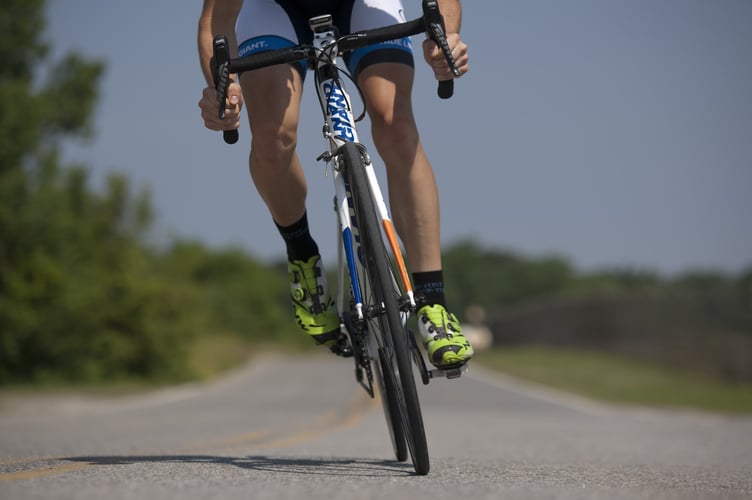
Road transport is the biggest source of direct carbon emissions in Surrey, so replacing some short journeys with an e-bike can significantly reduce your emissions.
A good-quality e-bike can cost less than £90 a month for a basic-rate taxpayer using a Cycle to Work scheme. I have been working in Bentley this week, and the five-mile journey from Castle Street in Farnham takes just 20 minutes by e-bike without using the A31 dual carriageway.
I believe that if climate change is starting to worry you, or even frighten you, taking practical action can help you feel more positive. Better still, all three of these steps can save you money as well.
Comments
This article has no comments yet. Be the first to leave a comment.